
Categories
Home Selling, Local Schools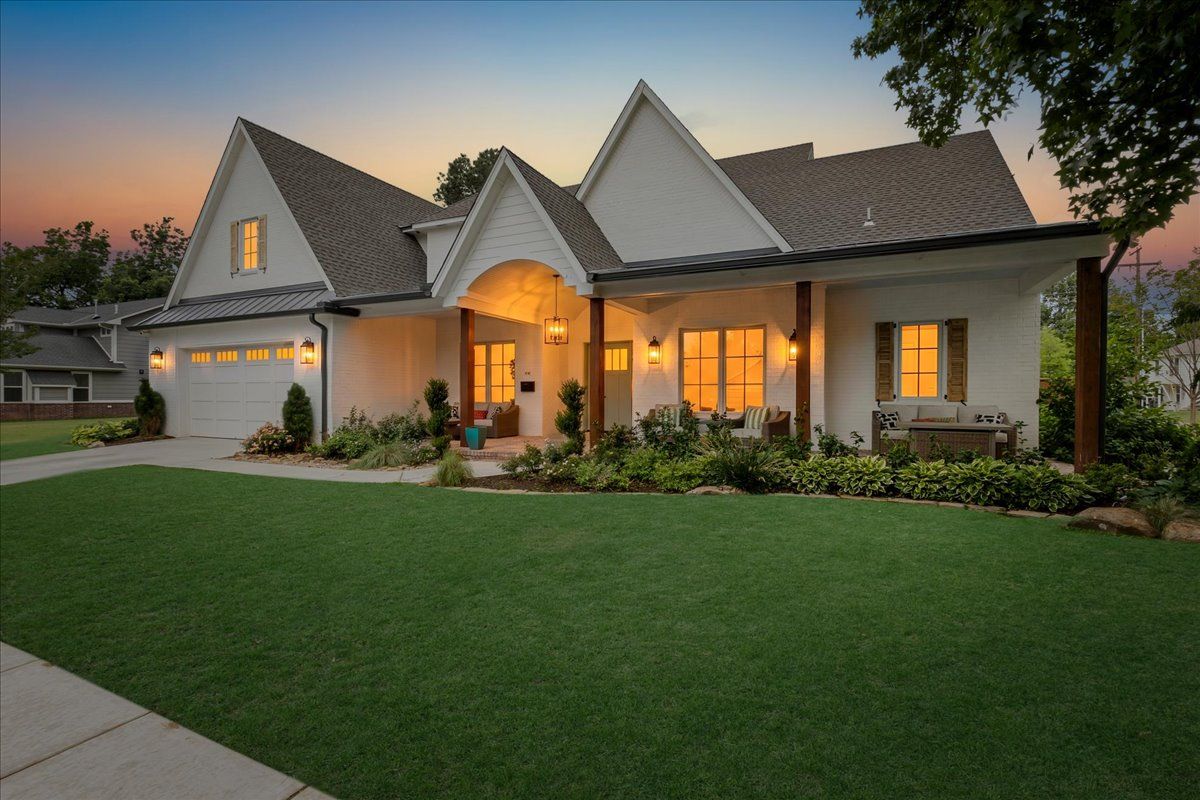
4311 N Peniel Avenue in Bethany, Oklahoma. The custom home closed for $980,000 after going under contract on its first day on the market.
A few days after we closed on 4311 N Peniel Avenue, an agent friend told me something that made me laugh.
Apparently, when the listing first hit the market, he was talking about it with a veteran agent in his office.
“What the fuck is he thinking? Has he lost his mind?”
I didn’t hear that story until after we’d already sold the house.
Which, frankly, made it a lot funnier.
Because the house he was talking about had just closed for:
$980,000.
In Bethany, Oklahoma.
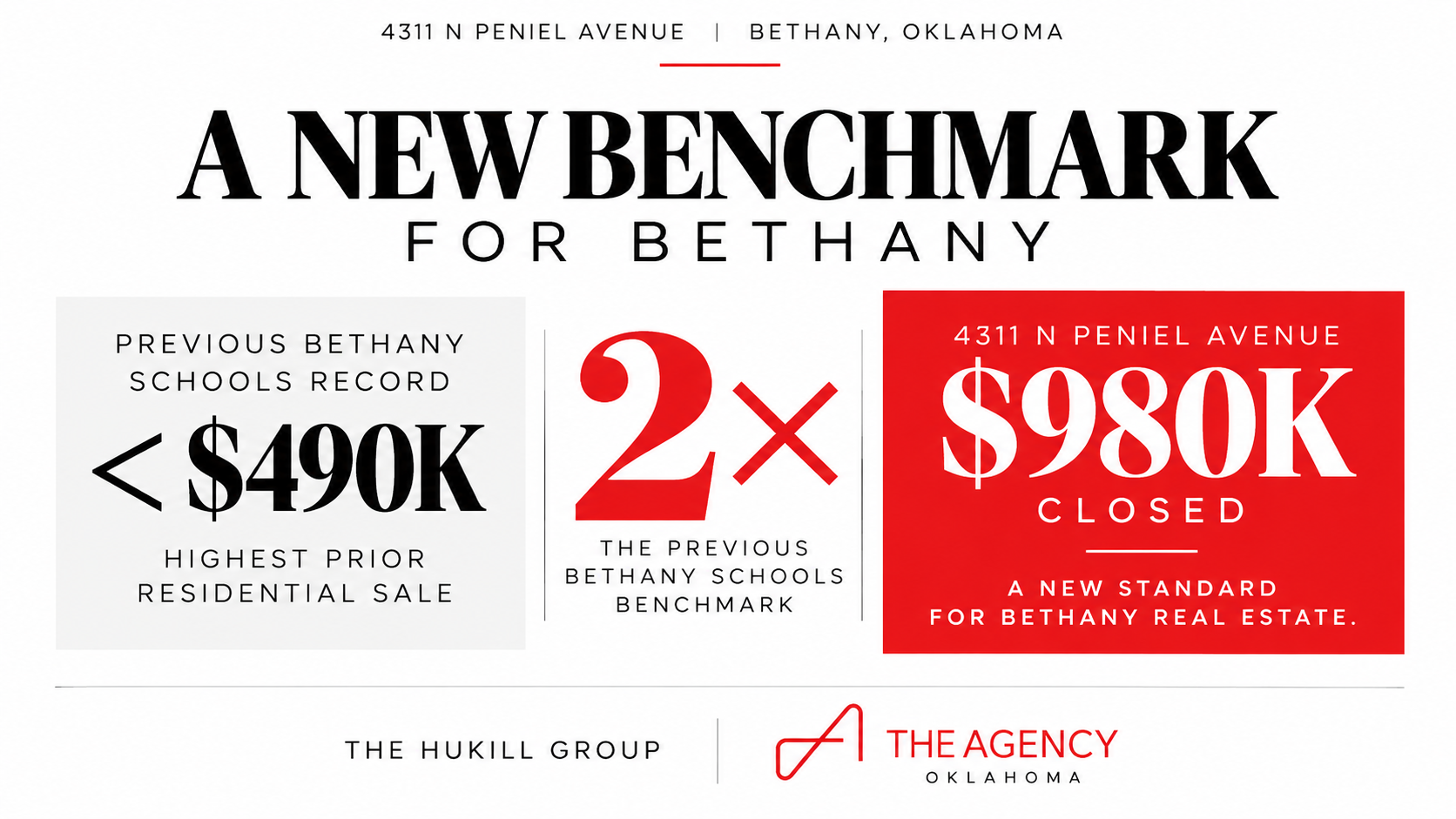
The previous residential sales record in the Bethany Public School District was just under $490,000.
So yes, I understand why somebody looked at our $1,050,000 list price and wondered whether we’d lost our minds.
The conventional neighborhood data didn’t support it.
The problem was that this wasn’t a conventional neighborhood house.
First, You Have to Understand the House
4311 N Peniel wasn’t an updated version of the home that had been there before.
The original house and pool were demolished. In their place, the owners built a completely new custom home, completed in 2024.
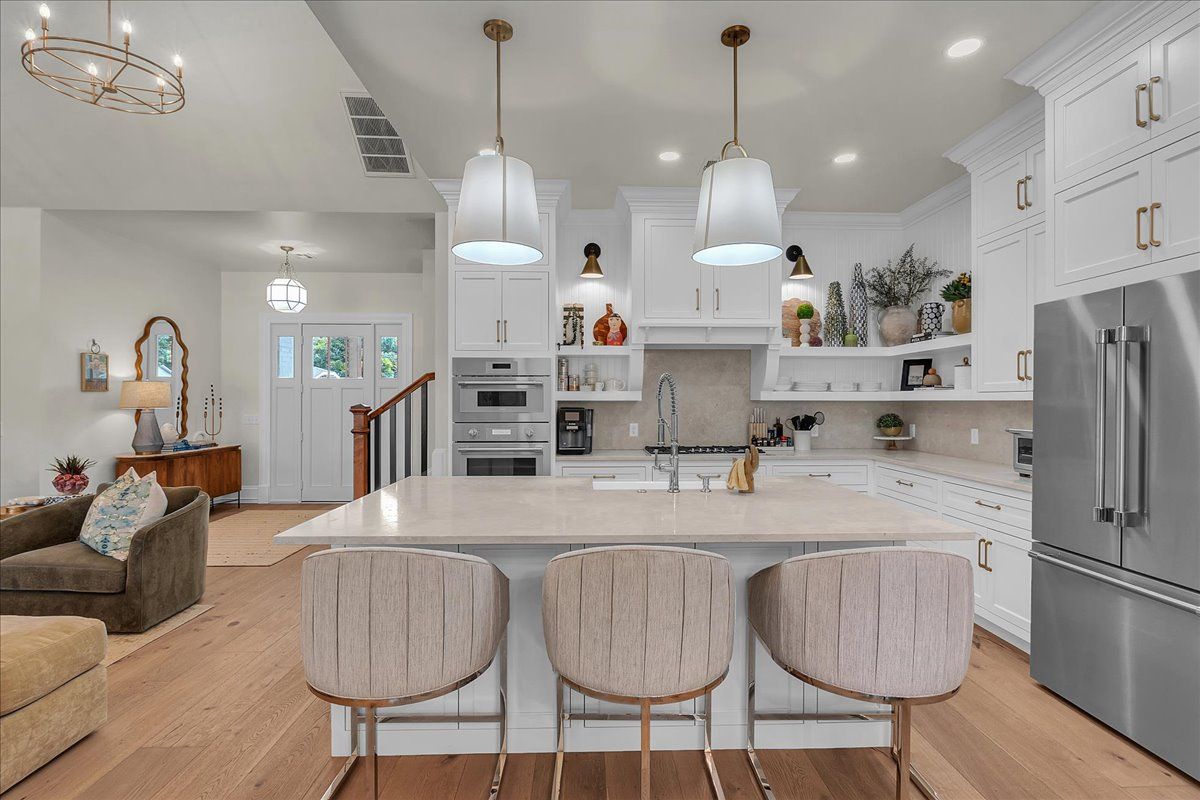
Roughly 3,700 square feet. Four bedrooms. Three and a half bathrooms. Thermador appliances. Inset cabinetry. White oak flooring. Designer finishes throughout.
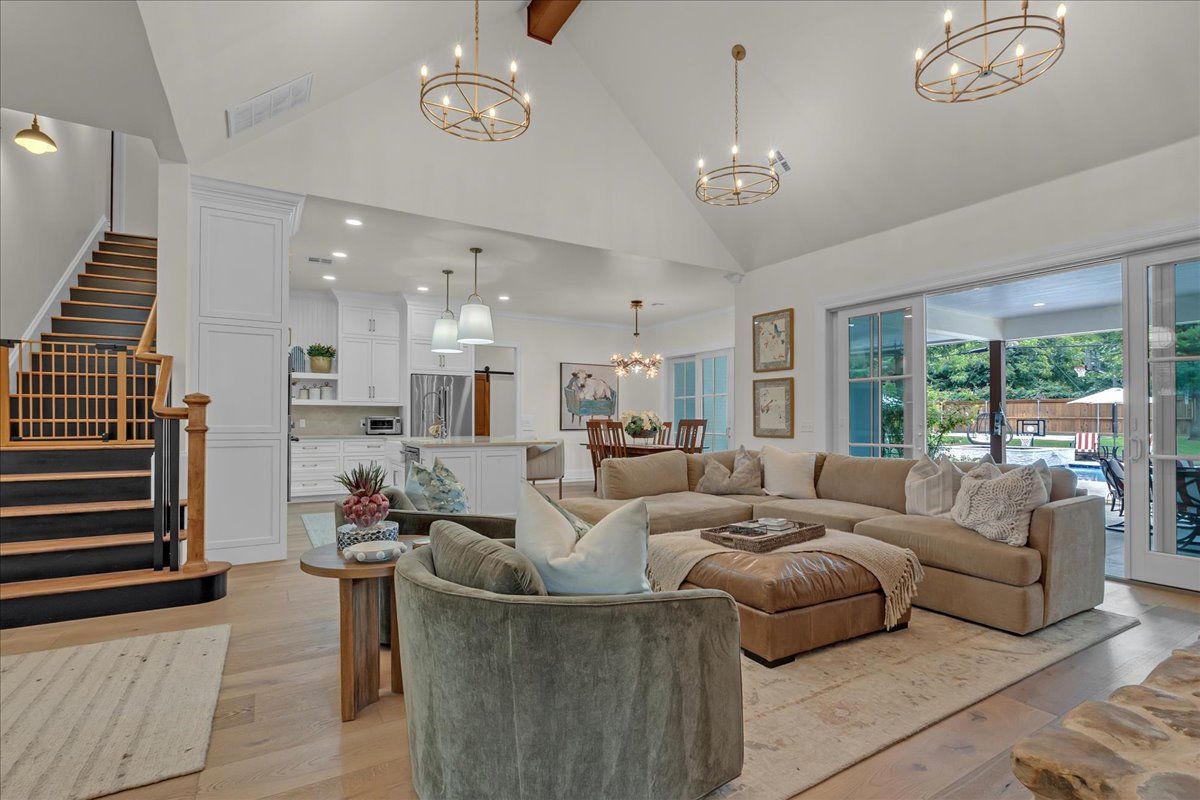
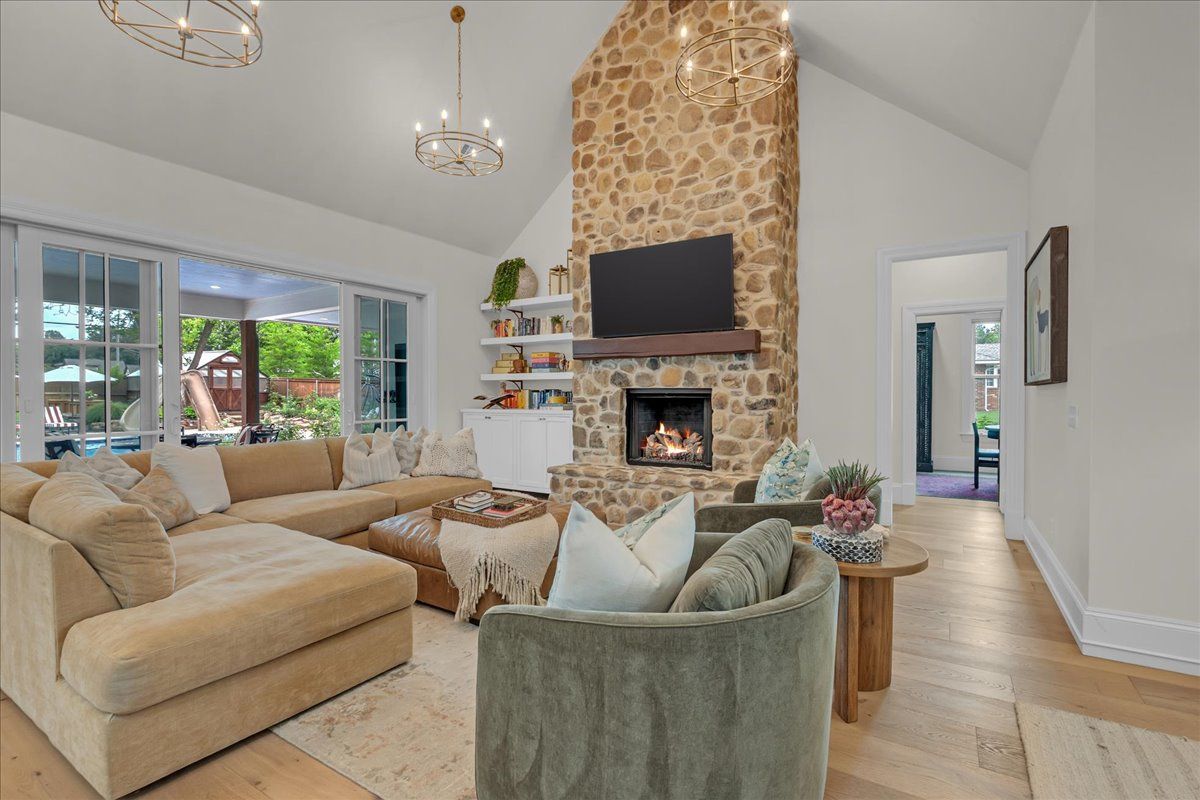
Inside, the home combined custom finishes, open living spaces and a level of design rarely found in the immediate neighborhood.
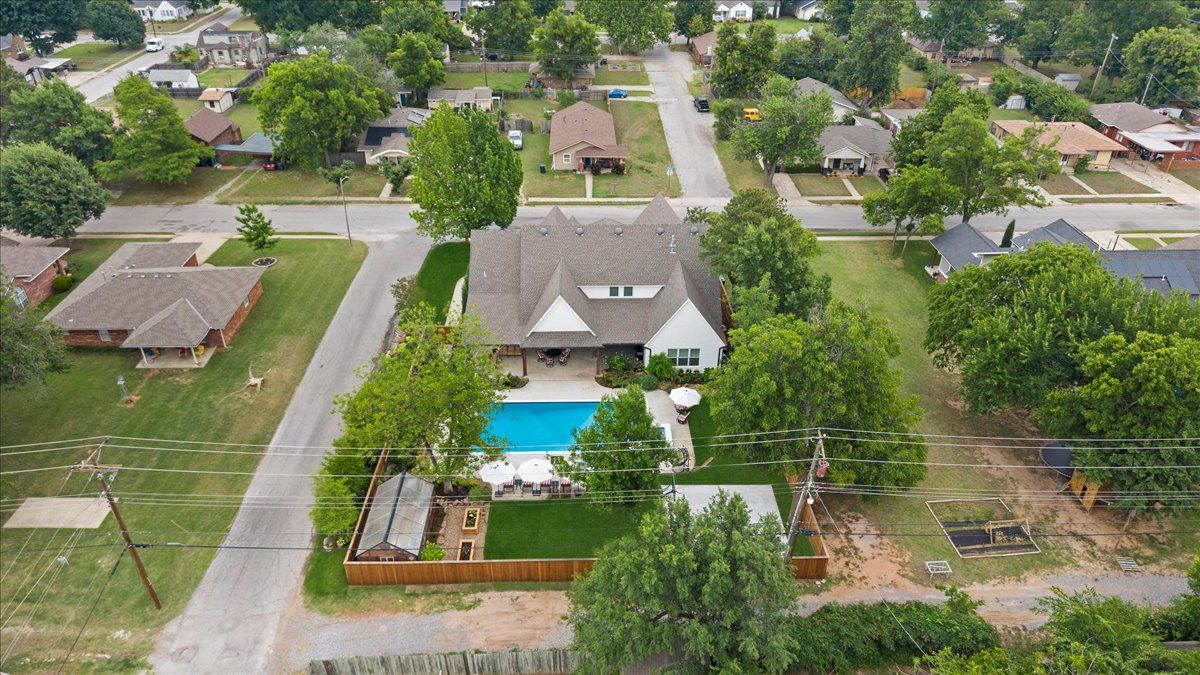
Outside, the property was just as unusual: a heated pool and spa, greenhouse, basketball court, covered outdoor living, mature trees, professionally designed landscaping and more than 60 rose bushes on approximately one-third of an acre.
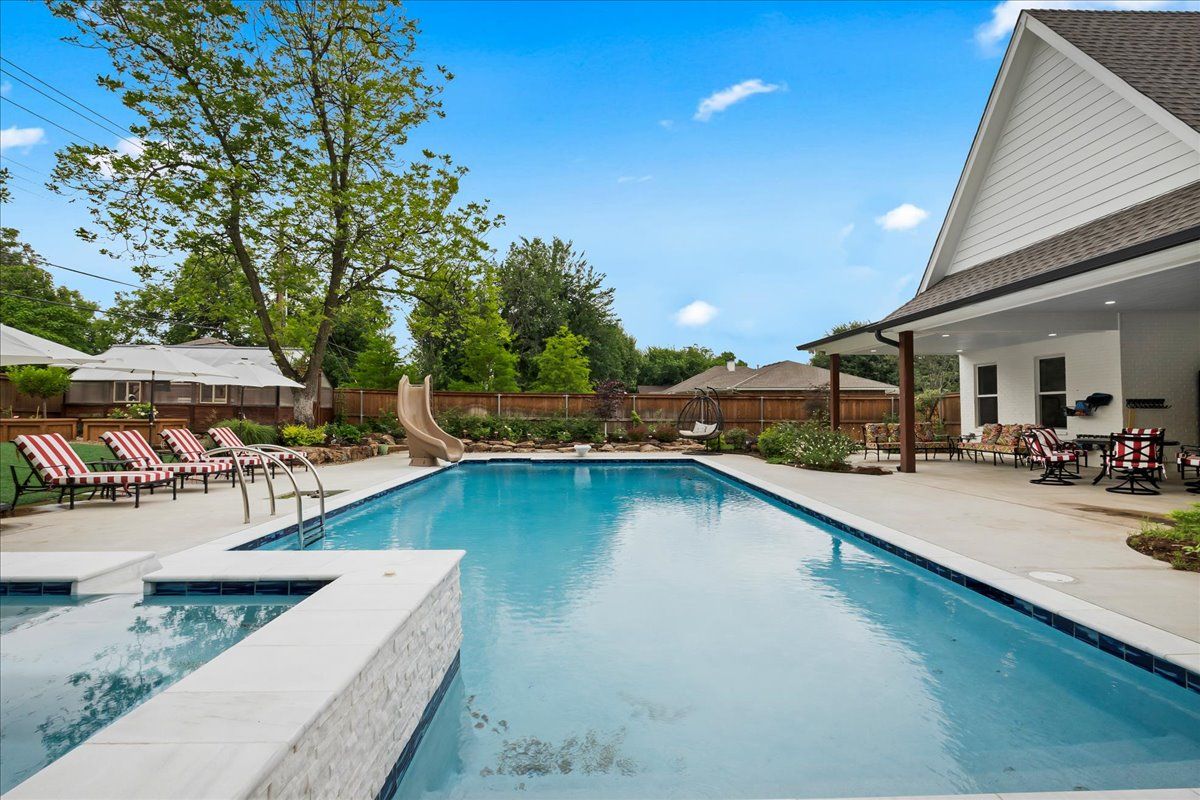
The outdoor environment included a heated pool and spa, covered living areas, mature landscaping, a greenhouse and basketball court.
Then I Pulled the Comps.
That’s where things got interesting.
If I had treated this like a normal CMA and simply asked, “What have similar homes in this neighborhood sold for?” the answer would have been pretty discouraging.
There wasn’t another house in the immediate area that adequately explained what this property was.
And that’s where I think sellers of unusual homes can get hurt.
Sometimes the easiest comparable sales aren’t actually the most relevant ones.
We Stopped Looking for the House Next Door and Started Looking for the Buyer
The question became:
What else could the buyer for THIS house purchase?
That changed the analysis.
We expanded beyond the immediate neighborhood and looked at newer luxury homes competing for the same buyer throughout the surrounding Oklahoma City market.
One of the most useful clues was 3829 NW 44th Street in Bush Hills. It sold for $1.16 million, approximately $260.79 per square foot, after only two days on the market at full asking price.
Other newer luxury properties within roughly five miles had sold from the mid-$800,000s into the $1.6 million range, including properties in Nichols Hills.
Those weren’t necessarily direct appraisal comps.
They were something different and equally important at the pricing stage: evidence of what buyers shopping at this level were willing to spend for the right property.
Does your home have the same problem?
If your property is custom, substantially updated, on acreage, unusually designed or simply unlike the homes around it, a neighborhood-average pricing strategy may not tell the whole story.
Request a Confidential Pricing ConsultationThere Was Something Else Happening in Bethany
The property itself wasn’t the only thing we were evaluating.
Bethany was changing.
Buyers were demonstrating a willingness to pay more for newer, highly finished homes in established central Oklahoma City neighborhoods, particularly when those properties offered something that couldn’t easily be replicated.
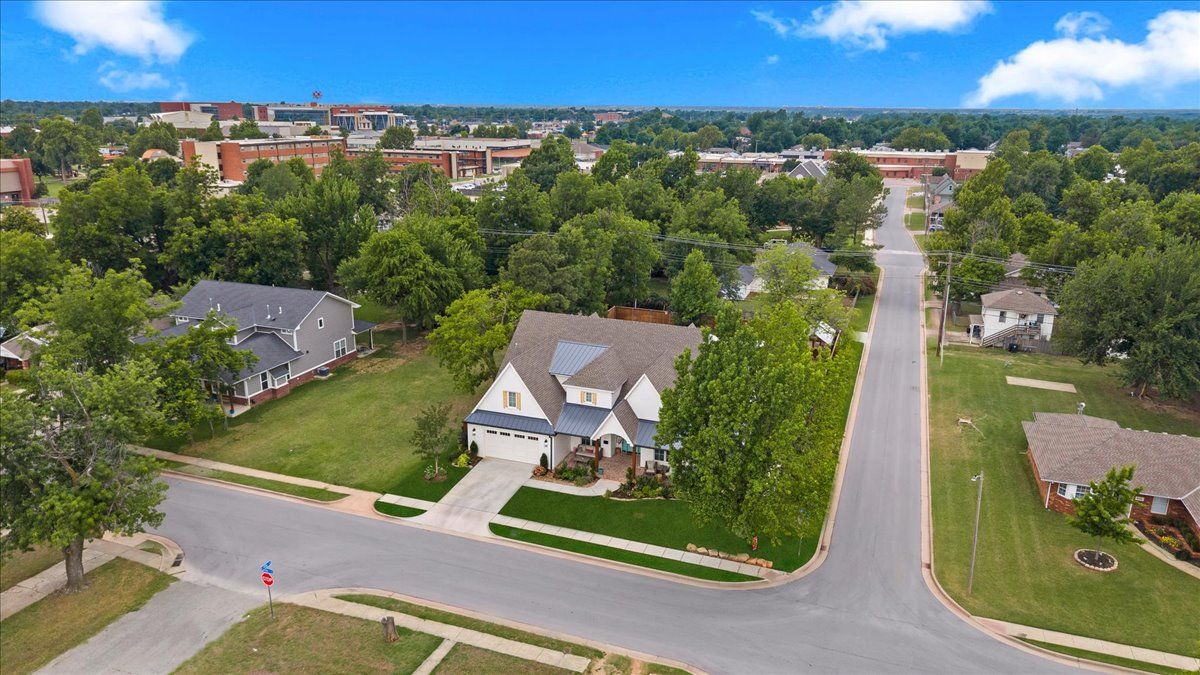
This aerial helps explain the pricing challenge: a newly built custom luxury property surrounded by an established neighborhood whose historical sales didn’t adequately describe the home.
Eventually, Somebody Has to Put a Number in the MLS
Research is one thing.
Eventually, you have to make the decision.
We launched at:
$1,050,000.
That wasn’t a number pulled out of thin air, and it wasn’t a seller’s wish price dressed up as strategy.
It was the number we believed gave the property the best opportunity to test the upper end of its market while still being defensible based on the alternatives available to its likely buyer.
And once that number went public, so did the risk.
Either our research was right...
or that veteran agent was about to look pretty damn smart.
And Here’s Where I Got Lucky: My Seller Never Became the Obstacle
Great marketing doesn’t fix poor preparation.
Before we ever launched the listing, we went through the property looking for anything that could distract a buyer from what made the home special.
We weeded flower beds. Edited and organized closets. Adjusted furniture placement. Addressed the front porch color. Cleared the garage. Repaired a crack in the brick. Made sure the blind remotes worked.
None of those things sounds particularly glamorous.
That’s the point.
The goal wasn’t to give buyers a list of things to notice.
It was to remove the little things that might keep them from noticing the house.
And my seller executed.
She didn’t fight the process. She became part of the strategy.
Then We Built the Launch
Once the house was ready, the job changed.
Now we had to make sure the market understood what it was seeing.
That meant professional photography, video, intentional positioning and marketing built around the property rather than forcing the property into a generic listing template.
Exposure without positioning just gives more people an opportunity to misunderstand your property.
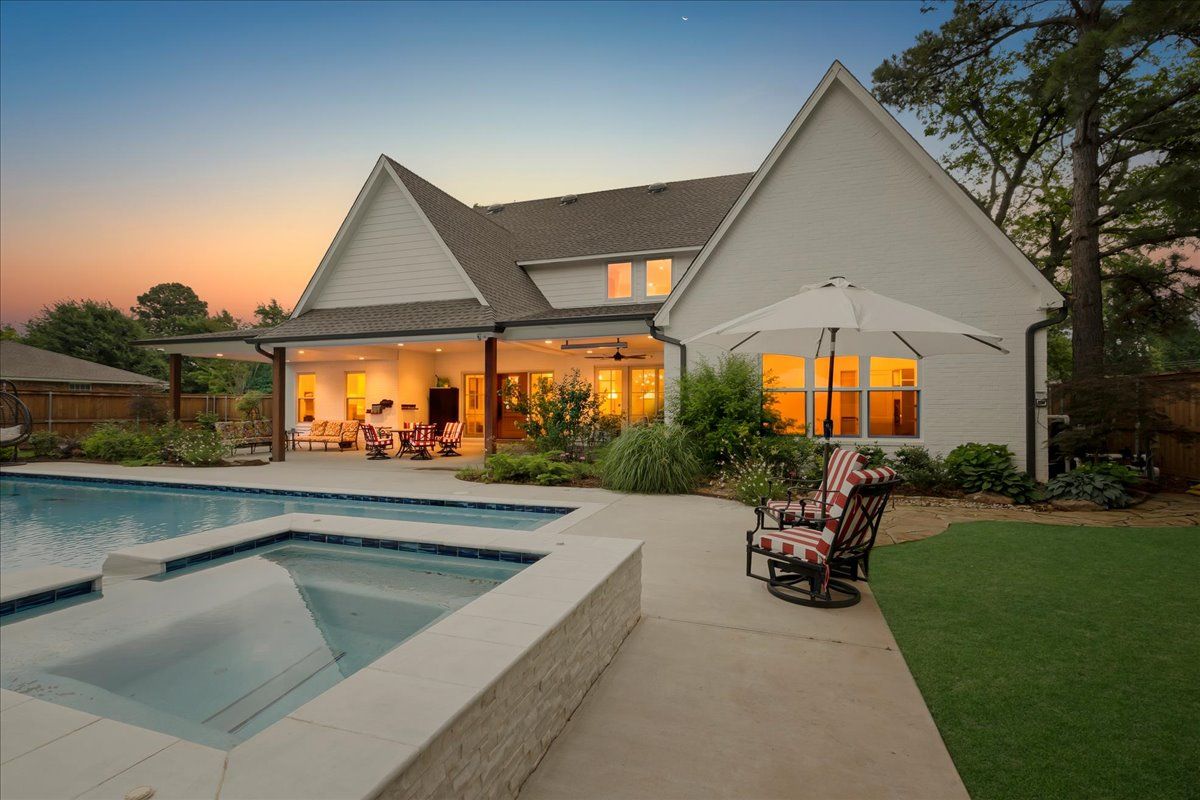
Preparation complete. Photography finished. Marketing built. Then we launched at $1,050,000.
We Pushed the Button.
The listing went live.
At $1.05 million.
Either our research was right...
or that veteran agent was about to look pretty damn smart.
The house went under contract on day one.
Not after months of testing the market.
Not after a series of price reductions.
Day one.
Now We Had to Get It Appraised.
Finding the buyer proved there was demand.
But this wasn’t a cash transaction.
The buyer was financing the purchase, which meant we still had another hurdle.
We had proven a buyer would pay it. Now we had to prove it to the bank.
On a property with very few obvious neighborhood comparables, that mattered.
The appraisal supported the transaction.
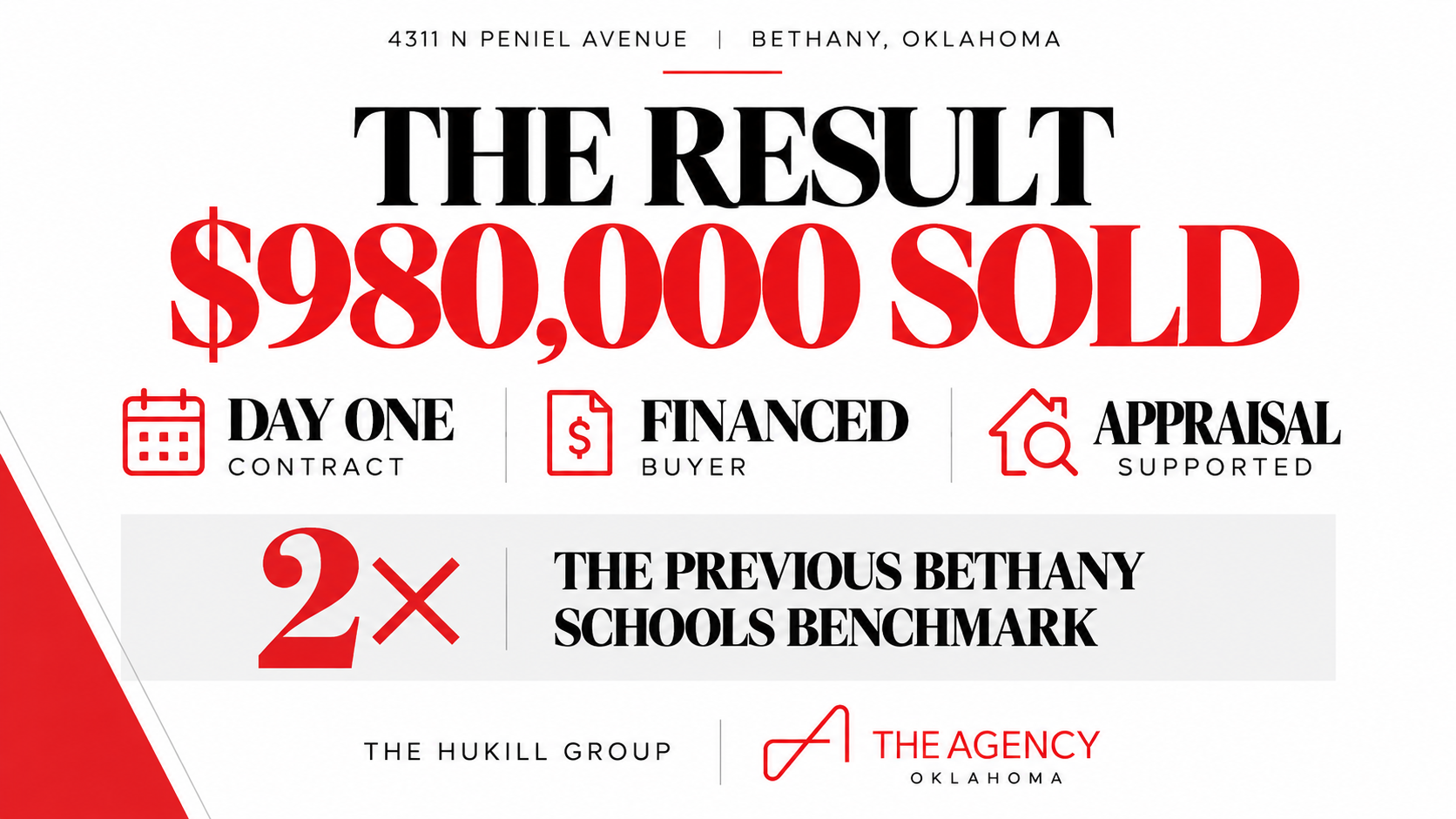
The result: 4311 N Peniel Avenue went under contract on day one with a financed buyer, appraised successfully, and closed for $980,000, approximately twice the previous residential sales benchmark in the Bethany Public School District.
The Result
The property closed for $980,000.
That works out to approximately $280.64 per square foot.
It went under contract on its first day on the market.
The buyer financed the purchase.
The appraisal supported the transaction.
And the final sales price was approximately twice the previous residential sales benchmark in the Bethany Public School District.
A little later, another agent said something to me about the sale that stuck with me.
“That Bethany house was incredible. I don’t know how you did it, but more importantly, I’ve got to give you mad props THAT you did it. You’re a better man than me. No way I would’ve taken that listing.”
I appreciated the compliment.
But I think the more important part of that comment is the last sentence.
No way I would’ve taken that listing.
Because that’s exactly what makes properties like this difficult.
They don’t fit neatly into the data.
They create risk.
And when there isn’t an obvious comparable sale sitting down the street, somebody has to be willing to do the work to figure out what the market might actually support.
Marketing Doesn’t Create Value. It Reveals It.
There’s an important distinction here.
Marketing didn’t make this house worth $980,000.
The house, the location, the finishes, the lifestyle and the buyer demand created the value.
Our job was to recognize that value, build a defensible pricing strategy around it, prepare the property so distractions didn’t get in the way, and then present it to the market in a way that helped the right buyer understand what they were looking at.
Marketing doesn’t create value. It reveals it.
Some homes are easy to price.
You pull the recent neighborhood sales, make a few adjustments and the likely range becomes pretty obvious.
Other homes aren’t like that.
They’re custom. Or heavily updated. Or on acreage. Or architecturally unusual. Or simply far better than the surrounding sales suggest.
Those properties require a different question.
Not just:
What did the house next door sell for?
But:
What would the buyer for this house compare it to?
Sometimes the house next door tells you exactly what your home is worth.
And sometimes you need someone willing to look a little further.
If Your Home Is Different, Don’t Let It Be Marketed Like Everything Else.
If you own a custom, luxury or difficult-to-compare property in Edmond, Deer Creek, Bethany, Oklahoma City or the surrounding market, the first step is understanding what buyers are actually comparing your home to.
Request a Confidential Pricing ConsultationFrequently Asked Questions About Pricing Unique Homes
How do you price a home when there aren’t good comparable sales?
When direct neighborhood comparables are limited, the analysis has to go beyond simple proximity. That can include evaluating competing properties, construction quality, condition, amenities, location, buyer alternatives and sales that help establish what buyers at that price level are willing to pay. The goal is not to ignore comparable sales. It is to understand which sales are actually relevant to the buyer for that specific property.
Does price per square foot determine what a home is worth?
No. Price per square foot can be a useful reference point, but it does not account for differences in construction quality, age, lot, condition, design, amenities, location or buyer demand. It is one data point within a broader valuation analysis.
Can a home sell for substantially more than other houses in its neighborhood?
Yes, particularly when the property is materially different from surrounding homes. A newer custom home, extensive renovation, superior lot, luxury amenities or unusually strong design can attract buyers who compare the property with homes outside the immediate neighborhood. The challenge is determining whether there is real market evidence supporting that higher value.
How should a unique or luxury home be marketed?
The marketing should explain why the property is different rather than simply generating exposure. Professional photography, video, property preparation, positioning and a clear understanding of the likely buyer all matter. More exposure is useful only when buyers understand what makes the home worth considering.
How does an appraiser evaluate a home when there are few direct comps?
An appraiser may need to expand the search geographically or consider sales with different characteristics when highly comparable nearby properties do not exist. Adjustments and supporting market evidence become especially important when the subject property is unusual for its immediate area.
Who should I call if my Oklahoma City-area home is difficult to compare?
If your home is custom, extensively updated, on acreage, unusually designed or otherwise difficult to compare with nearby sales, I can help evaluate the property and determine which sales and competing homes are most relevant to its likely buyer.